» » Robert Normandeau - Clair De Terre
Robert Normandeau - Clair De Terreh1
Electronic
Performer: Robert Normandeau
Title: Clair De Terre
Style: Experimental
Year 2001
Genre: Electronic
Rating: 4.9
Votes: 767
MP3 size: 1378 mb
FLAC size: 1642 mb
WMA size: 1949 mb
Other formats: MP4 AAC MP3 MPC AU AHX WAV

Robert Normandeau - Clair De Terre mp3 album


Robert Normandeau - Clair De Terre mp3 album

Tracklist

1 Malina 15:02
2 Erinyes 20:08
Clair De Terre 36:00
3 Ouverture 6:12
4 Cadre Étroit (Espace Clos) 2:31
5 Couleurs Primaires Et Secondaires 2:59
6 Mobilité Des Plans 3:09
7 Montage Rythmique 2:28
8 Montage Métaphorique 1:48
9 Durée Des Plans 2:25
10 Clarté (Éblouissement) 2:57
11 Taille Des Plans 3:03
12 Couleurs Ternaires 2:09
13 Micro-montage 0:30
14 Obscurité 2:09
15 Cadre Large (Espace Ouvert) 3:40

Companies, etc.

  • Published By – YMX MéDIA

Credits

  • Art Direction [Artistic Director] – Jean-François Denis
  • Cover – Luc Beauchemin
  • Music By – Robert Normandeau
  • Photography By – Bernard Préfontaine
  • Translated By [English Translation] – Tom Carter

Notes

Production DIFFUSION i MéDIA
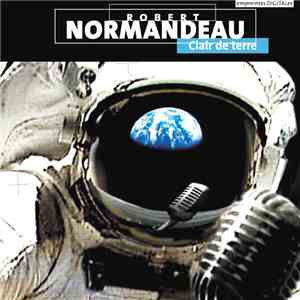
Cover from NASA photos AS11-44-6552
& STS51A-104-049
Works published by YMX MéDIA (socan) 2001

Malina was composed in 2000
Erinyes was composed in 2001
Clair de terre was composed in 1999

Barcode and Other Identifiers

  • Rights Society: Socan
Monam
One of the most prolific of modern-day Quebecois elctroacoustic explorers, Robert Normandeau is never scared of pushing through on new frontiers. Take this new CD, which presents three sizeable new works. Not at all in character with what is described on the cover, the opening Malina is mostly composed of digital flute-like sounds, and fragmentary percussives, all swathed with luscious rich digital chorus and reverb effects. It sounds like an otherworldly sci-fi calliope, and reminds me of Jacques Rémus' mechamusic creations, although those are made by very different means. More in character with the description Erinyes is definitely a work based around bizarre use of the voice, in which a computer is used to sample, chop-up and recycle vocal elements in dazzling cascades and arrays. Fascinating stuff, indeed. The second half is encompassed by the 13-part work Clair De Terre itself, in which Robert seems to attempt to make use of every elctroacoustic trick in the book, first with the condensed visionary (and musical) Ouverture, then more fragmentally with the next 12 sections. It's a bizarre guided tour through a world of sounds and music, often unlike anything I've heard from Robert, especially the bagpipes at the end!